
Model Law "On Social Partnership": Updates Given the Green Light
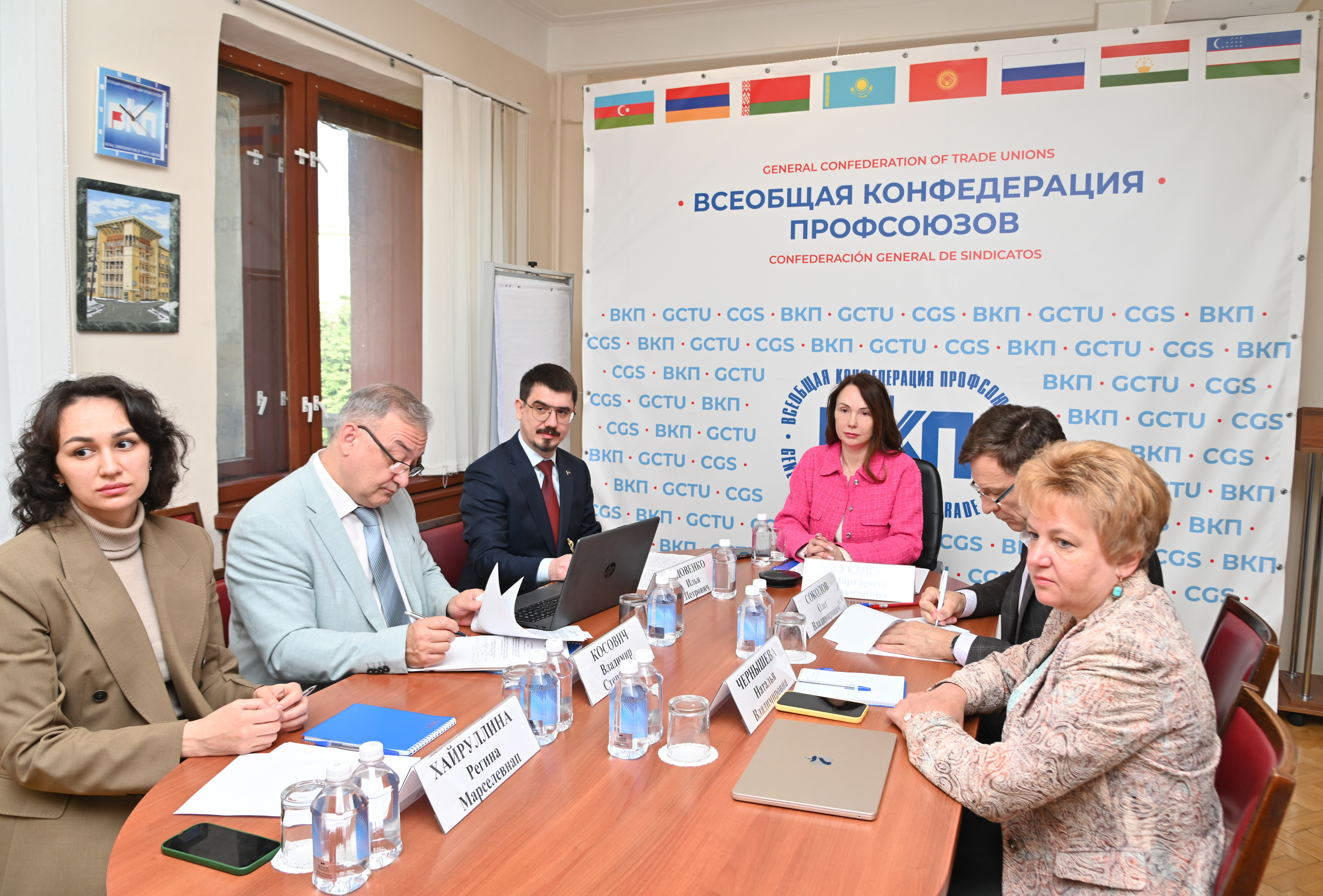
The General Confederation of Trade Unions (GCTU) initiated an interactive session "Transnational Social Dialogue in the Eurasian Space: Trade Union Strategy" to discuss the upcoming update of the Model Law "On Social Partnership."
In May, at the plenary session of the Interparliamentary Assembly of the CIS member states in St. Petersburg, the GCTU's initiative on the need to adopt a new edition of the document was supported, and work on it was included in the "Prospective Plan for Model Legislation of the Assembly for 2026–2028."
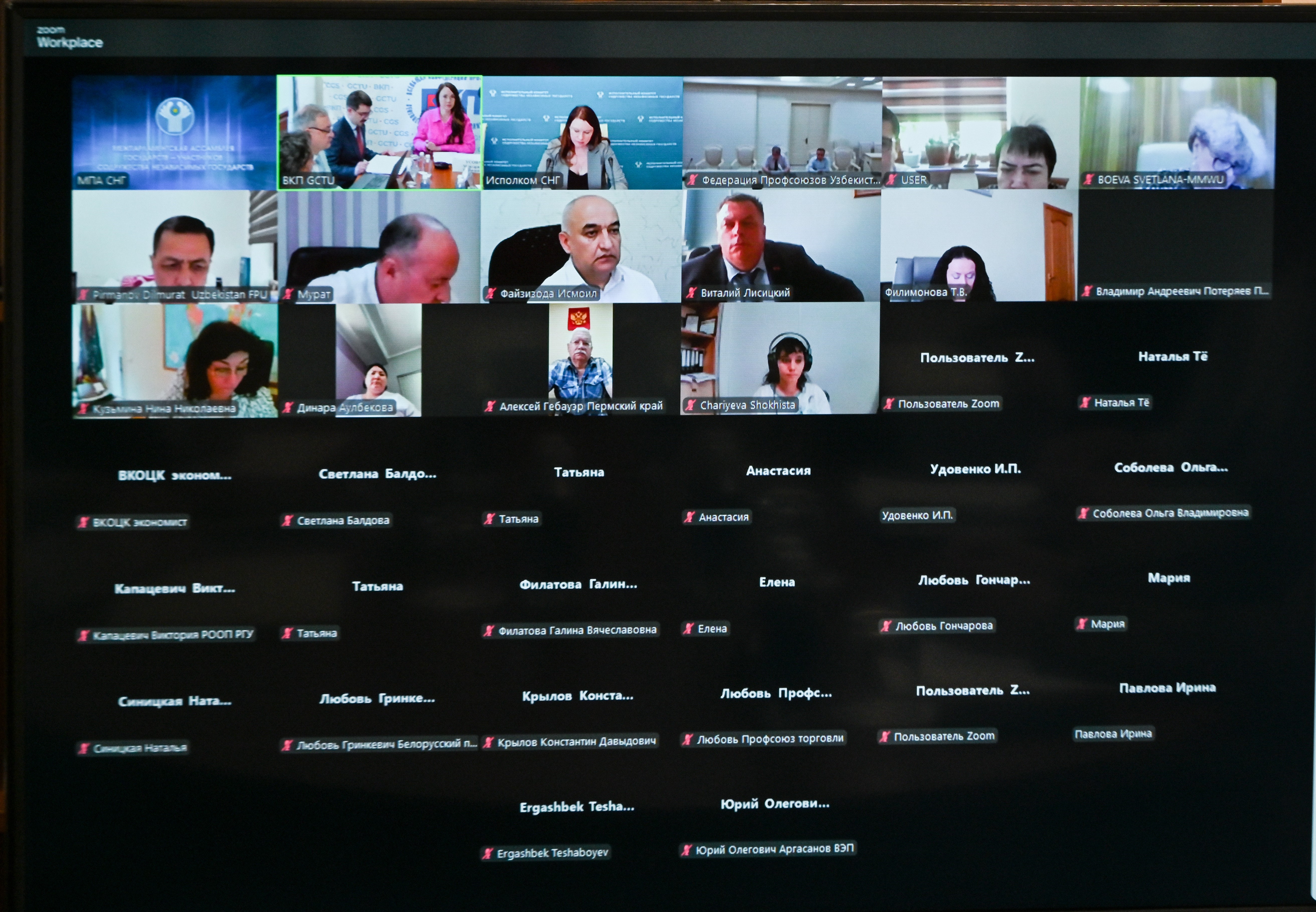
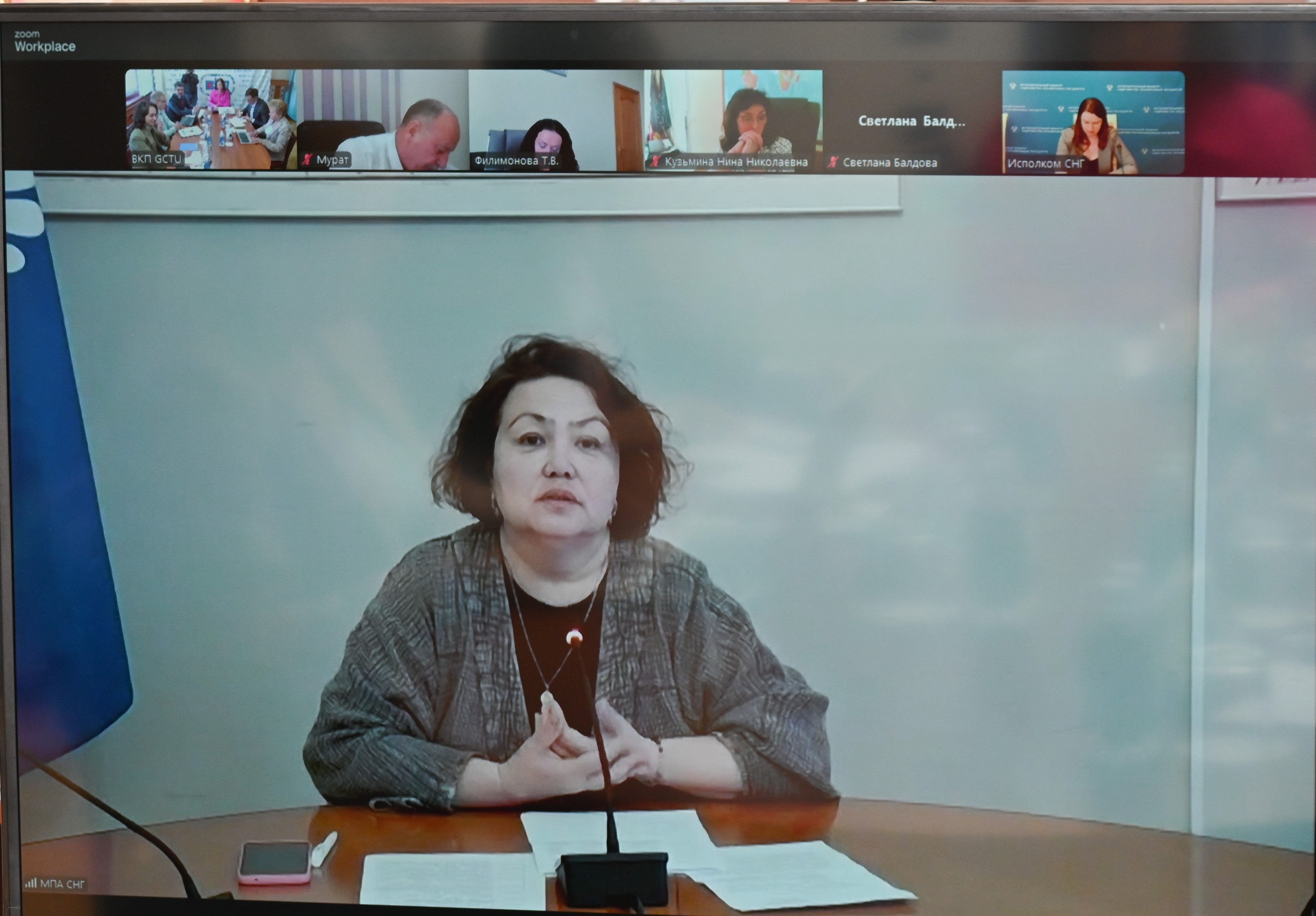
Experts gathered on the GCTU's virtual platform to share their vision of the future document, discuss what changes should be made, and identify key priorities.
Since the signing of the last edition of the law in 2006, active migration processes have begun in the countries, and the issue of protecting labour rights must now be considered in a cross-border context.
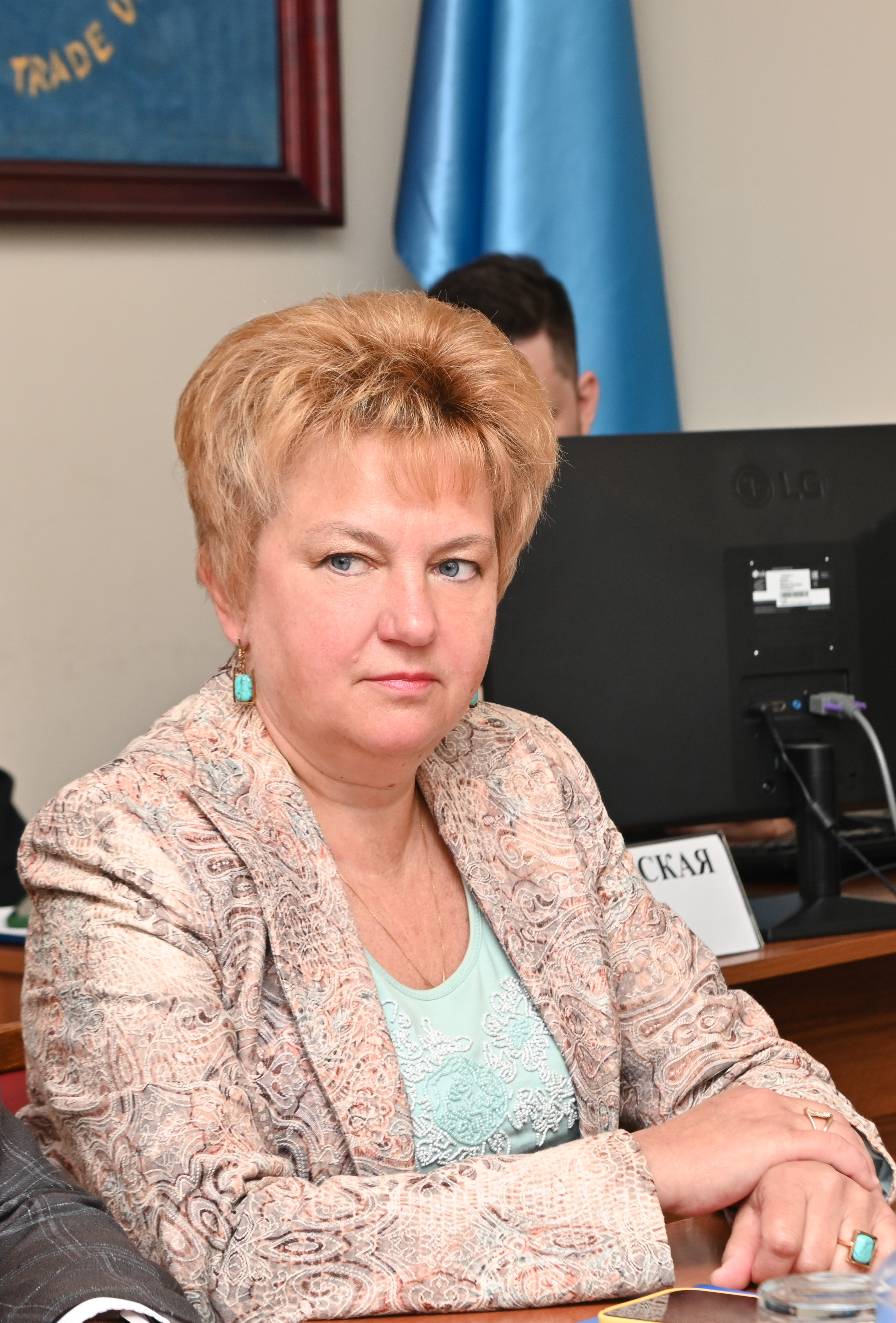
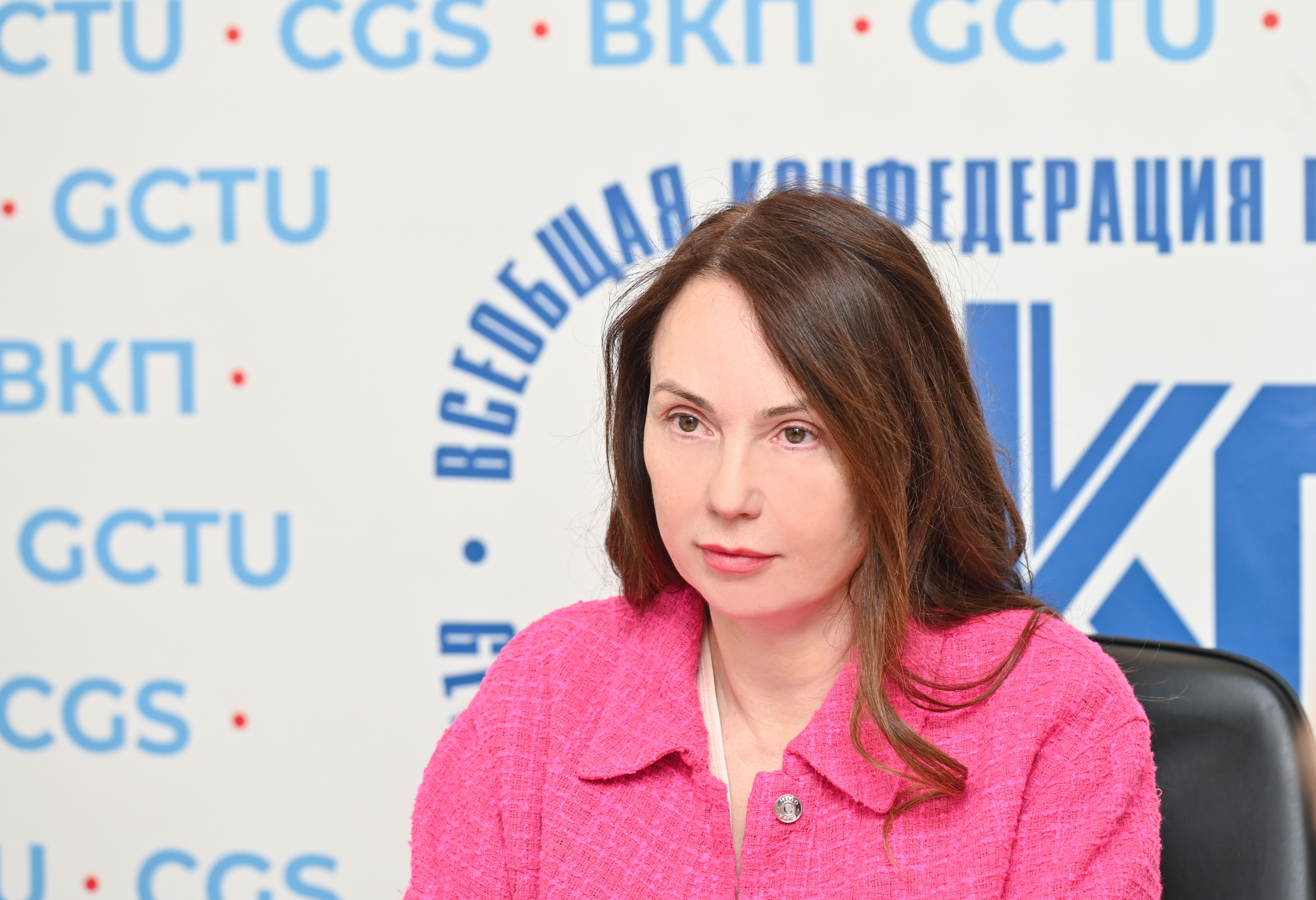
"However, this topic still remains outside the scope of changing national legislation. The task is to integrate the differences in social partnership legislation in the CIS and EAEU countries for mutual benefit and the protection of citizens' interests," said Margarita Usova, Deputy General Secretary of the GCTU. - "It is important to provide a format for protecting the labour rights of migrants and workers of transnational companies that would operate in several states at once. To do this, it is necessary to establish a supranational process for concluding general agreements, similar to those operating within countries, and to designate an organization that would consolidately defend the position of workers and trade unions in the CIS format."
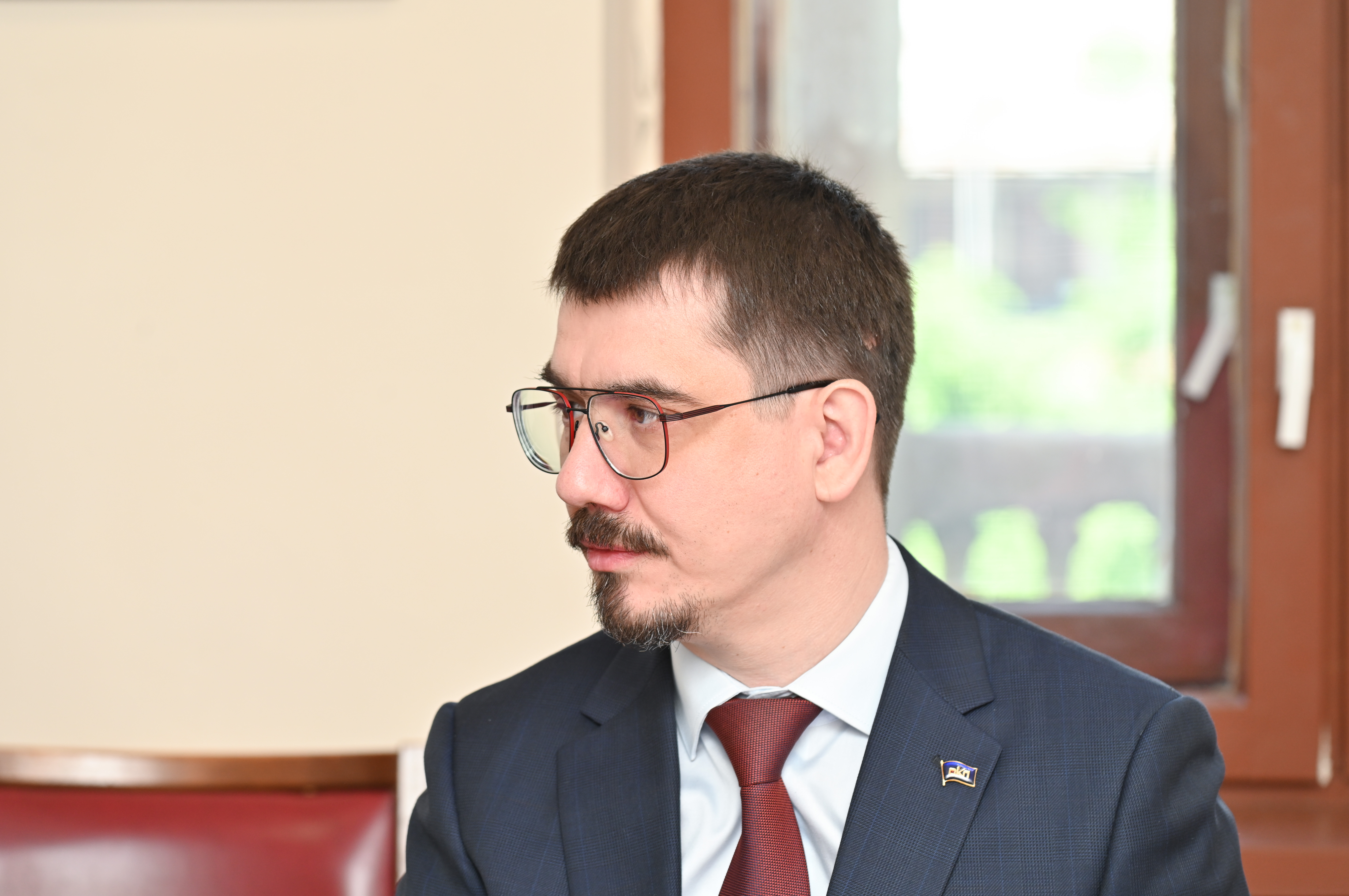
According to the ILO, nearly half a billion people worldwide are currently employed through digital platforms, with the growth rate of platform employment in the CIS countries being 15–20 percent per year. At the same time, more than 30 percent of such workers do not have access to basic social guarantees. Nina Kuzmina, Deputy Chairperson of the Federation of Independent Trade Unions of Russia and Rector of the Academy of Labour and Social Relations, addressed the topic of social partnership in the context of the transformation of the social and labour sphere: "The strategy for creating a full-fledged cross-border ecosystem of decent work should include key elements such as a single repository of collective agreements; smart contracts for automatic monitoring of compliance with labour conditions; and the integration of the social insurance system," the expert believes.
Olga Kremskaya, Head of the Secretariat of the Advisory Council on Labour, Employment, and Social Protection of the Population of the CIS member states, delivered a report on "Social Partnership as a Priority of Cooperation between States in the Social and Labour Sphere."
Yevgenia Vladimirova, Secretary of the Permanent Commission on Social Policy and Human Rights of the CIS IPA, spoke about modern approaches to designing model legal acts in the field of social policy. "The processes taking place in the world undoubtedly require updating all existing model laws," she is convinced. "And in the process of preparing new editions of these documents, it is necessary to take into account the developed legislative base of the Commonwealth countries, the experience accumulated there, and the best practices."
The online broadcast was also attended by representatives of trade unions from Belarus, Kazakhstan, Kyrgyzstan, Uzbekistan, Tajikistan, and Russia, a number of industry associations, as well as more than 100 trade union specialists and activists from six CIS countries — participants in the third educational module of the international program "Regulation of Labour Relations on the Principles of Social Dialogue," which the GCTU is conducting this year.
GCTU News
-
GCTU Discusses Amendments to Confederation’s Charter
On September 15, Moscow hosted a meeting of the Working Group on Preparing Amendments and Additions to the Charter of the General Confederation of Trade Unions (GCTU) at the Trade Unions Palace of Labor. Participants reviewed proposals from member organizations regarding necessary changes to the Confederation’s founding document.
-
Wage Standards in the CIS Must Reach a New Level
On September 10, the General Confederation of Trade Unions (GCTU) launched the development of a unified methodology for calculating the minimum consumer budget. The first meeting of the GCTU Executive Committee’s temporary working group on this initiative took place in Moscow.
-
A Unified Registry of Collective Agreements Should Be Established in the CIS
A unified registry of collective agreements in the Commonwealth of Independent States (CIS) will enable the regulation of labor relations at a cross-border level, according to the General Confederation of Trade Unions. The proposal by GCTU to include the creation of such a registry in the draft Plan of Activities for the Year of Social Development and Quality of Life in the CIS was approved by participants of the working group of the Advisory Council on Labor, Employment, and Social Protection of the Population of the CIS Member States. The working group meeting took place today at the CIS Executive Committee in Minsk, using video conferencing.