
New Occupational Health and Safety Technologies and Risk Management: GCTU Launches Major Educational Project
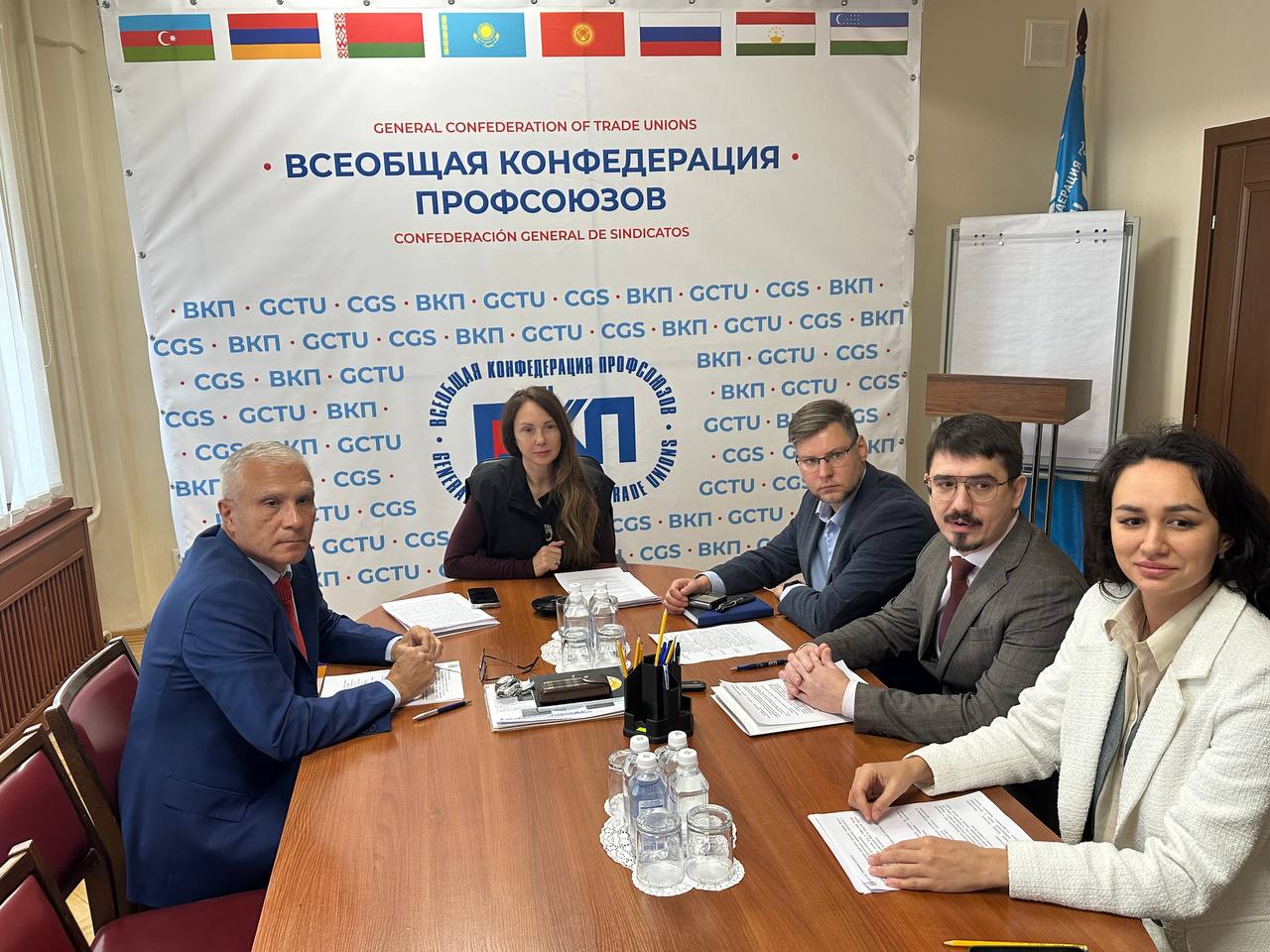
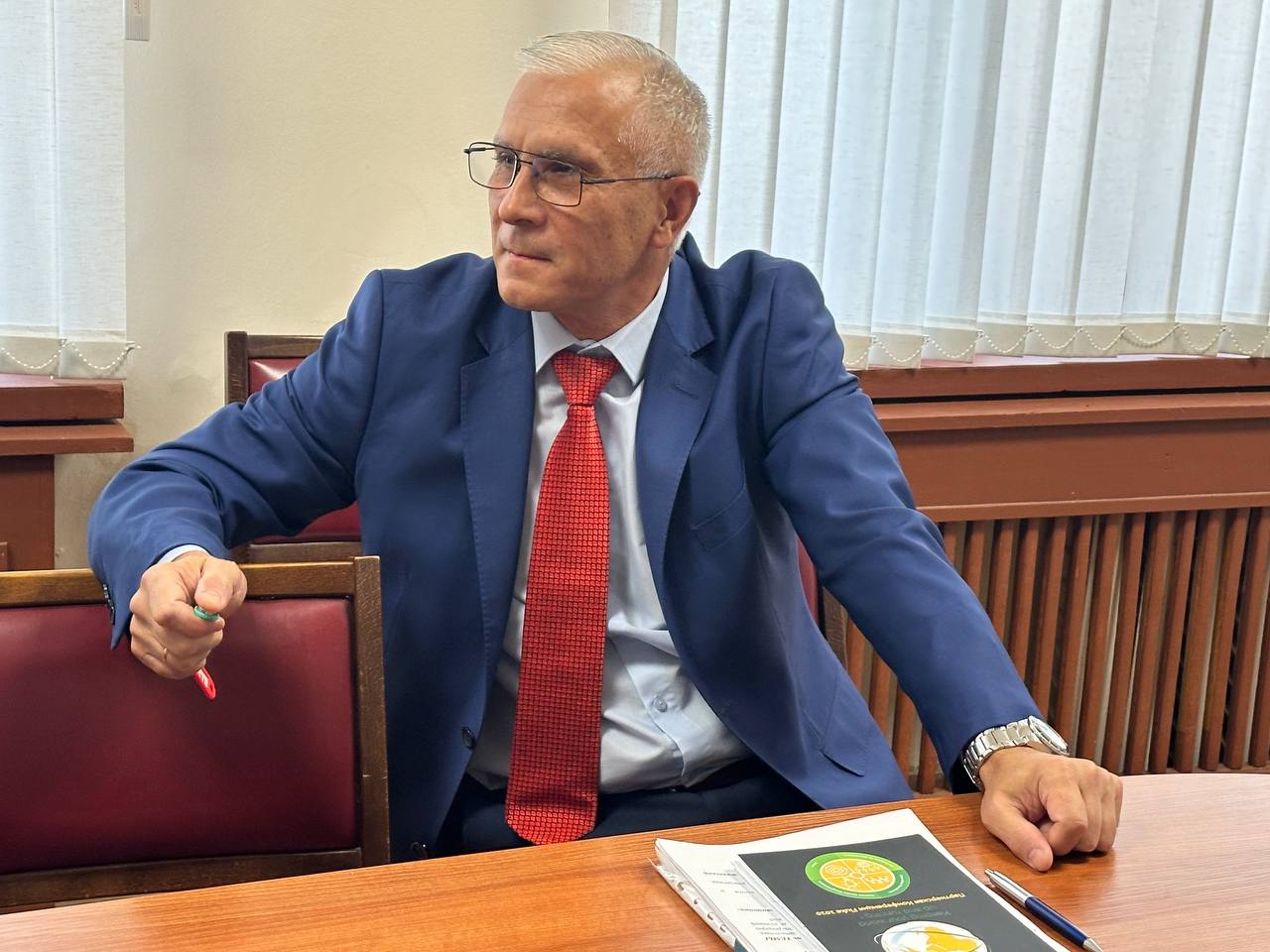
“The next wave of technological advancements is threatening the progress trade unions have made in occupational health and safety. The issue lies in extensive automation: programmes once used to control industrial robots are now used to manage people—digital platforms being a prime example. This carries significant risks. But new challenges always pave the way for new opportunities. Modern digital technologies can facilitate the shift from a compensatory to a risk-oriented model of occupational health and safety, aligning the interests of all three parties in the social dialogue: trade unions, employers, and the government,” said GCTU General Secretary Victor Pinsky in his opening address.
He further stressed that the level of protection for union members depends on their involvement in the process. Understanding new technological processes at the local level, consolidating this knowledge within each industry, and forming a unified trade union position on risk assessment are all crucial.
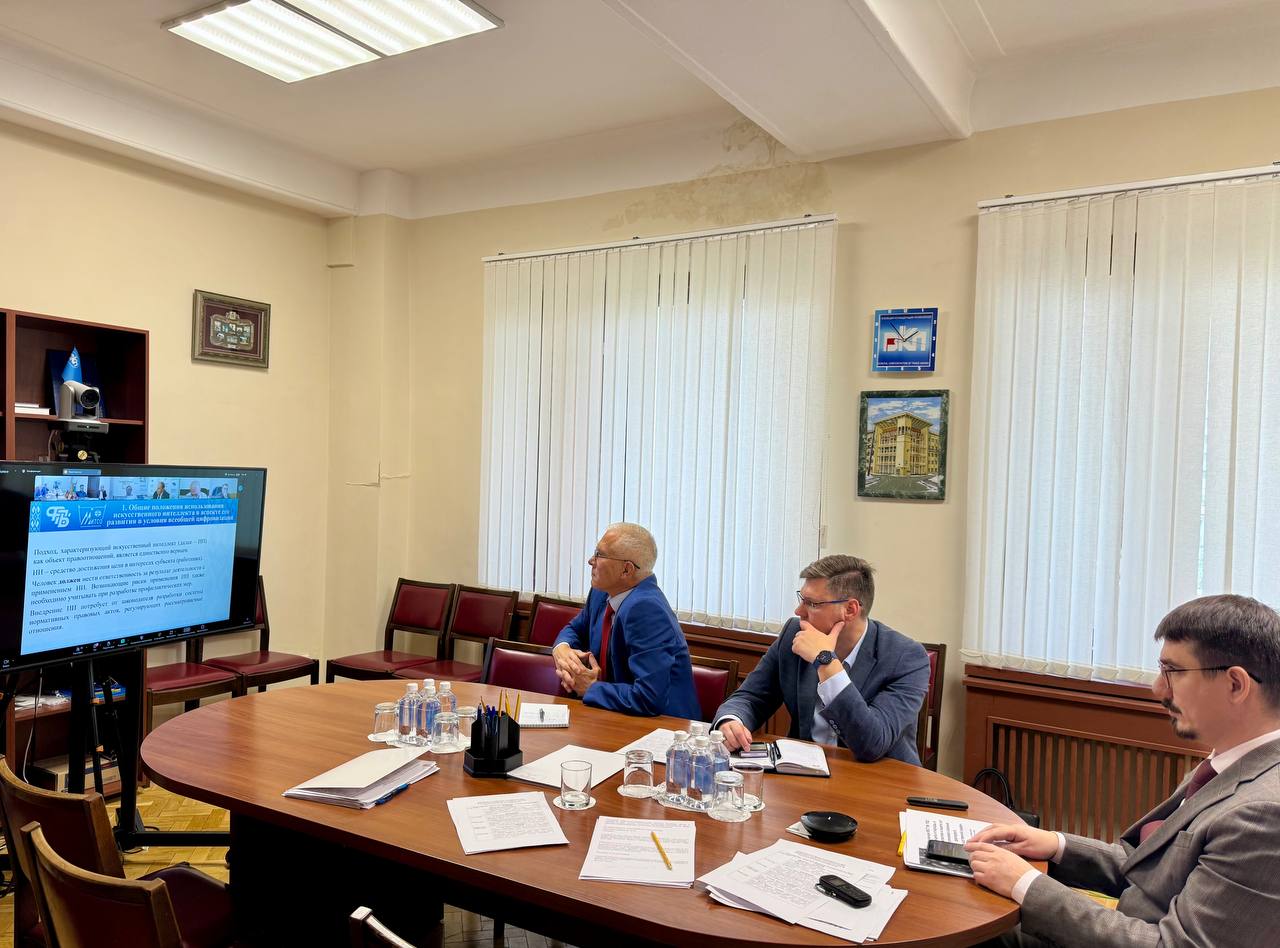
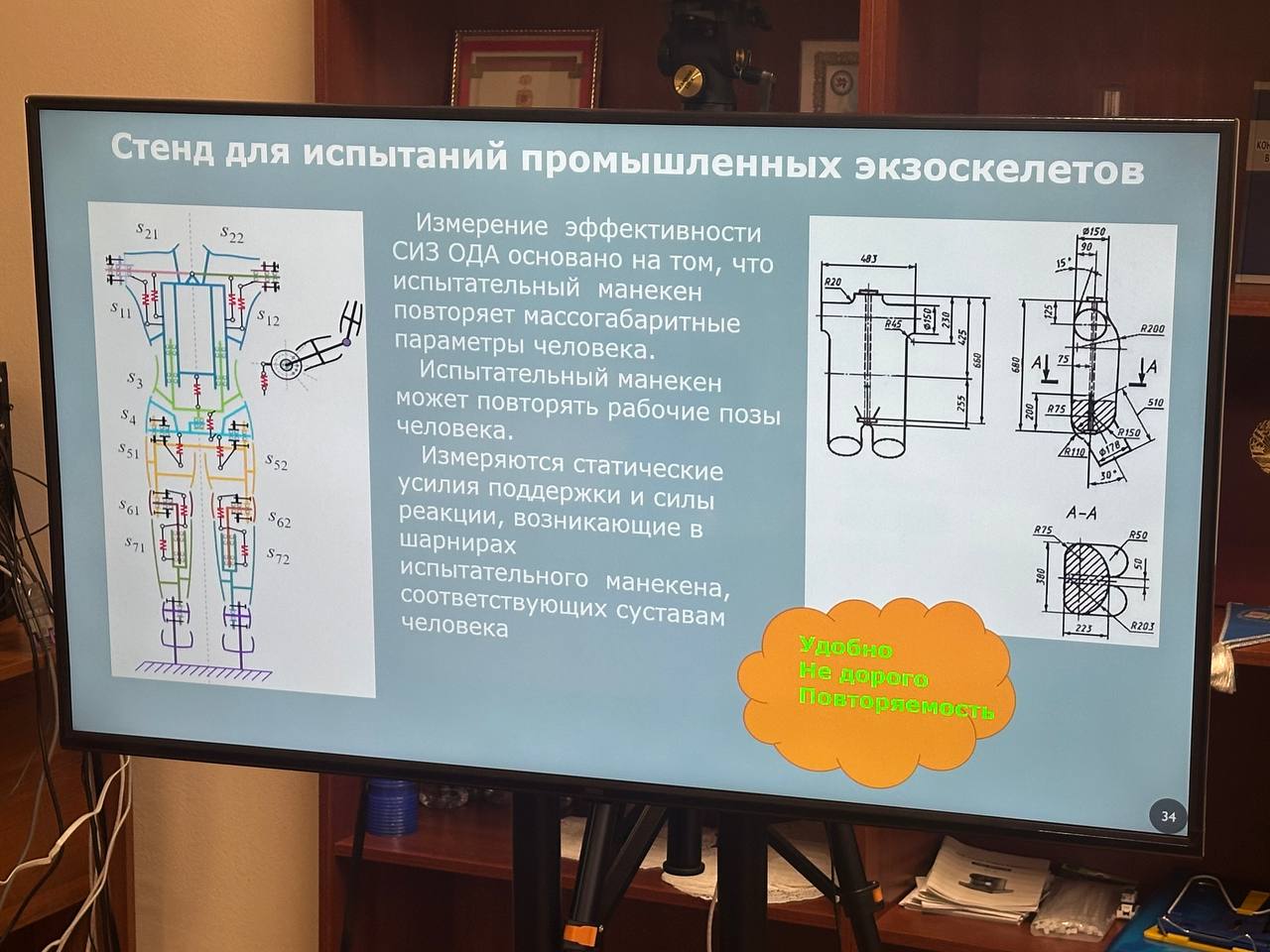
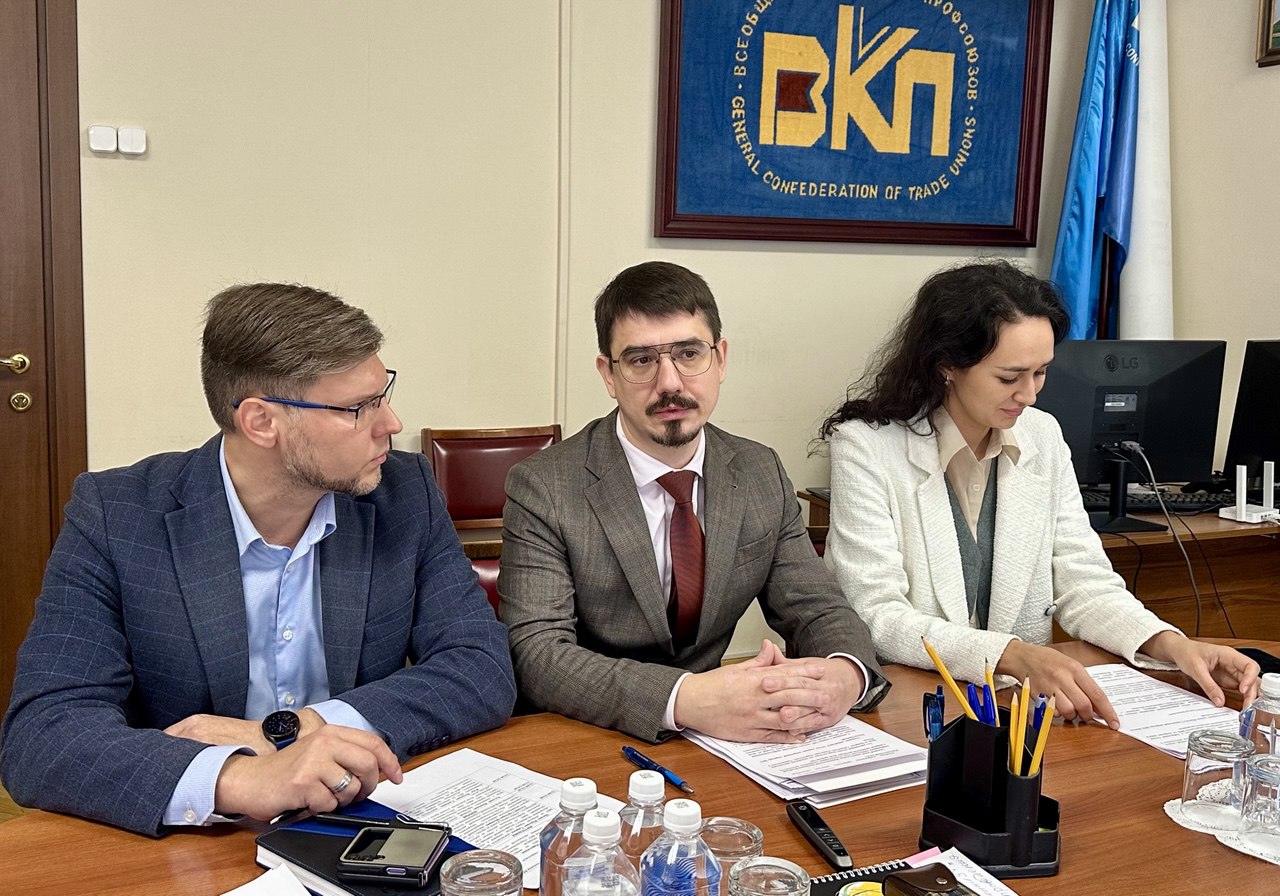
Mikhail Ganichev, Head of the GCTU Department for Occupational Safety, Health, and Social Safety, spoke about the occupational risk management systems in CIS countries, with a special focus on workplace conditions. The session also featured presentations on the use of AI, digitalisation, and other new technologies in workplace safety by Evgeny Shuporin, Head of the Personal Protective Equipment and Industrial Exoskeletons Laboratory at the Research Institute of Occupational Medicine, and Evgeny Astakhov, Associate Professor of the Occupational Safety and Social Partnership Department at the International University MITSO.
The Deputy Head of the GCTU Department for Occupational Safety, Health, and Social Safety, outlined principles and approaches to preventing and protecting against biological hazards in the work environment.
The GCTU’s educational programme is designed to enhance the skills of specialised trade union experts in occupational safety. The three-month course consists of four modules and will include, in addition to a series of lectures, practical and interactive sessions with leading CIS experts in the field. Participants will also have the opportunity to attend a meeting of the GCTU Commission on Occupational Safety, Health, and Social Safety. Those who successfully pass the final assessment will receive a GCTU certificate.

GCTU News
-
GCTU Discusses Amendments to Confederation’s Charter
On September 15, Moscow hosted a meeting of the Working Group on Preparing Amendments and Additions to the Charter of the General Confederation of Trade Unions (GCTU) at the Trade Unions Palace of Labor. Participants reviewed proposals from member organizations regarding necessary changes to the Confederation’s founding document.
-
Wage Standards in the CIS Must Reach a New Level
On September 10, the General Confederation of Trade Unions (GCTU) launched the development of a unified methodology for calculating the minimum consumer budget. The first meeting of the GCTU Executive Committee’s temporary working group on this initiative took place in Moscow.
-
A Unified Registry of Collective Agreements Should Be Established in the CIS
A unified registry of collective agreements in the Commonwealth of Independent States (CIS) will enable the regulation of labor relations at a cross-border level, according to the General Confederation of Trade Unions. The proposal by GCTU to include the creation of such a registry in the draft Plan of Activities for the Year of Social Development and Quality of Life in the CIS was approved by participants of the working group of the Advisory Council on Labor, Employment, and Social Protection of the Population of the CIS Member States. The working group meeting took place today at the CIS Executive Committee in Minsk, using video conferencing.