
Vladimir Putin and Sergei Chernogaev discussed platform-based employment, mentorship, and digitalization.
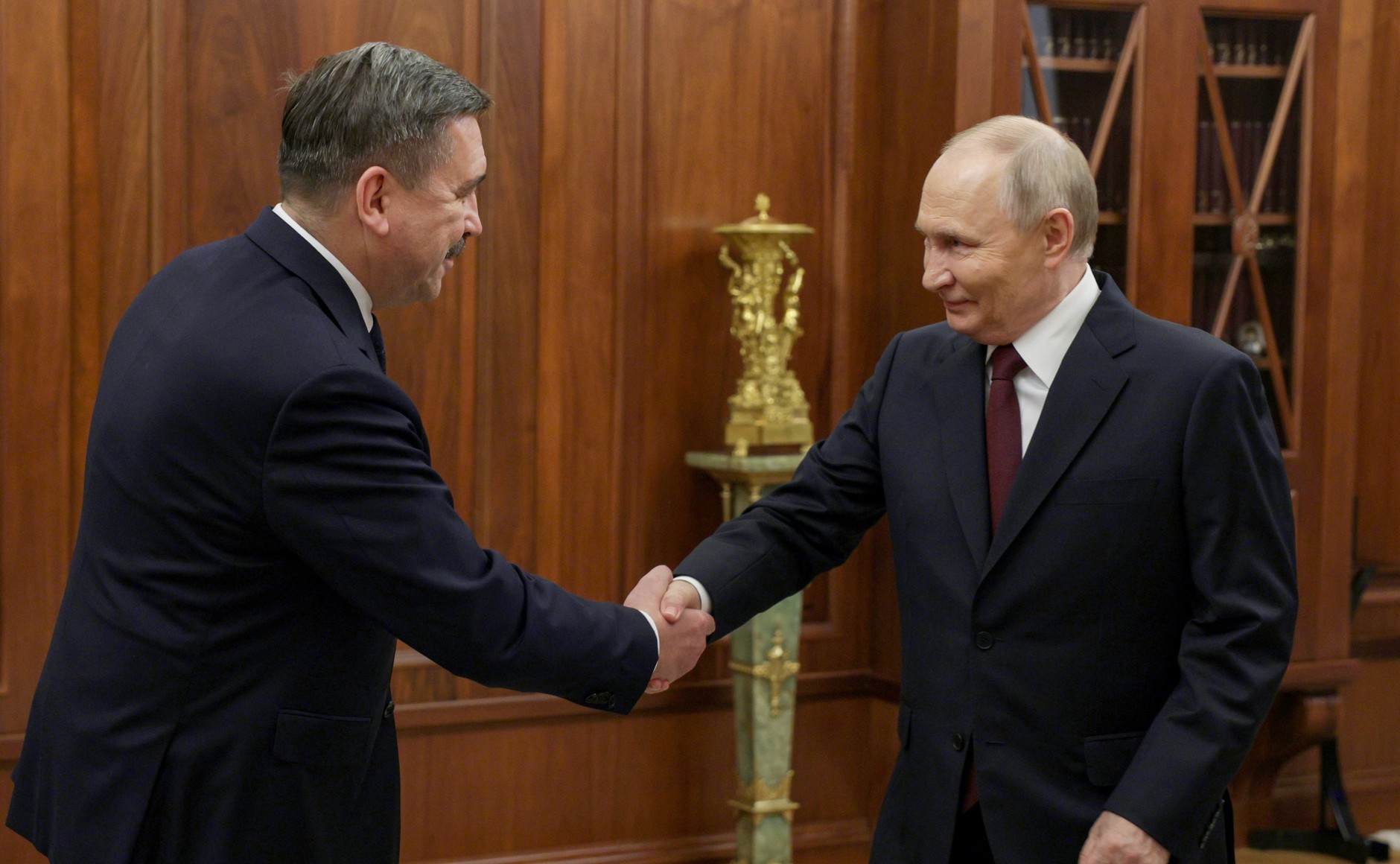
As Sergei Chernogaev reported, by 2029, 45% of trade union members will be able to use a digital trade union profile – a personal online account for protecting their labor rights. One of the goals of digitalization is to enable trade unions to receive feedback from workers and respond promptly to their requests. Chernogaev noted that young people are accustomed to digital solutions and demand new forms of interaction. According to FITUR data, Russian trade unions have 6.3 million young members aged 14 to 35.
The head of state supported FITUR's initiatives to develop the institution of mentorship. In particular, the trade unions have secured the inclusion of provisions for supplementary payments for workplace mentors in the Russian Labor Code.
Sergei Chernogaev also reported that following the adoption of the law on the platform economy, the trade unions have prepared proposals for amendments to the Labor Code regarding the interaction between employees and employers in this sector. These proposals concern 9.5 million couriers, marketplace employees, and gig workers.
Vladimir Putin acknowledged the significant role of the FITUR as a major and effectively functioning public association in addressing socio-economic challenges and emphasized the importance of constructive interaction between trade unions, the government, and the business community.
GCTU News
-
GCTU Discusses Amendments to Confederation’s Charter
On September 15, Moscow hosted a meeting of the Working Group on Preparing Amendments and Additions to the Charter of the General Confederation of Trade Unions (GCTU) at the Trade Unions Palace of Labor. Participants reviewed proposals from member organizations regarding necessary changes to the Confederation’s founding document.
-
Wage Standards in the CIS Must Reach a New Level
On September 10, the General Confederation of Trade Unions (GCTU) launched the development of a unified methodology for calculating the minimum consumer budget. The first meeting of the GCTU Executive Committee’s temporary working group on this initiative took place in Moscow.
-
A Unified Registry of Collective Agreements Should Be Established in the CIS
A unified registry of collective agreements in the Commonwealth of Independent States (CIS) will enable the regulation of labor relations at a cross-border level, according to the General Confederation of Trade Unions. The proposal by GCTU to include the creation of such a registry in the draft Plan of Activities for the Year of Social Development and Quality of Life in the CIS was approved by participants of the working group of the Advisory Council on Labor, Employment, and Social Protection of the Population of the CIS Member States. The working group meeting took place today at the CIS Executive Committee in Minsk, using video conferencing.