
Development of a Common Labour Market in CIS Countries Called for by the General Confederation of Trade Unions
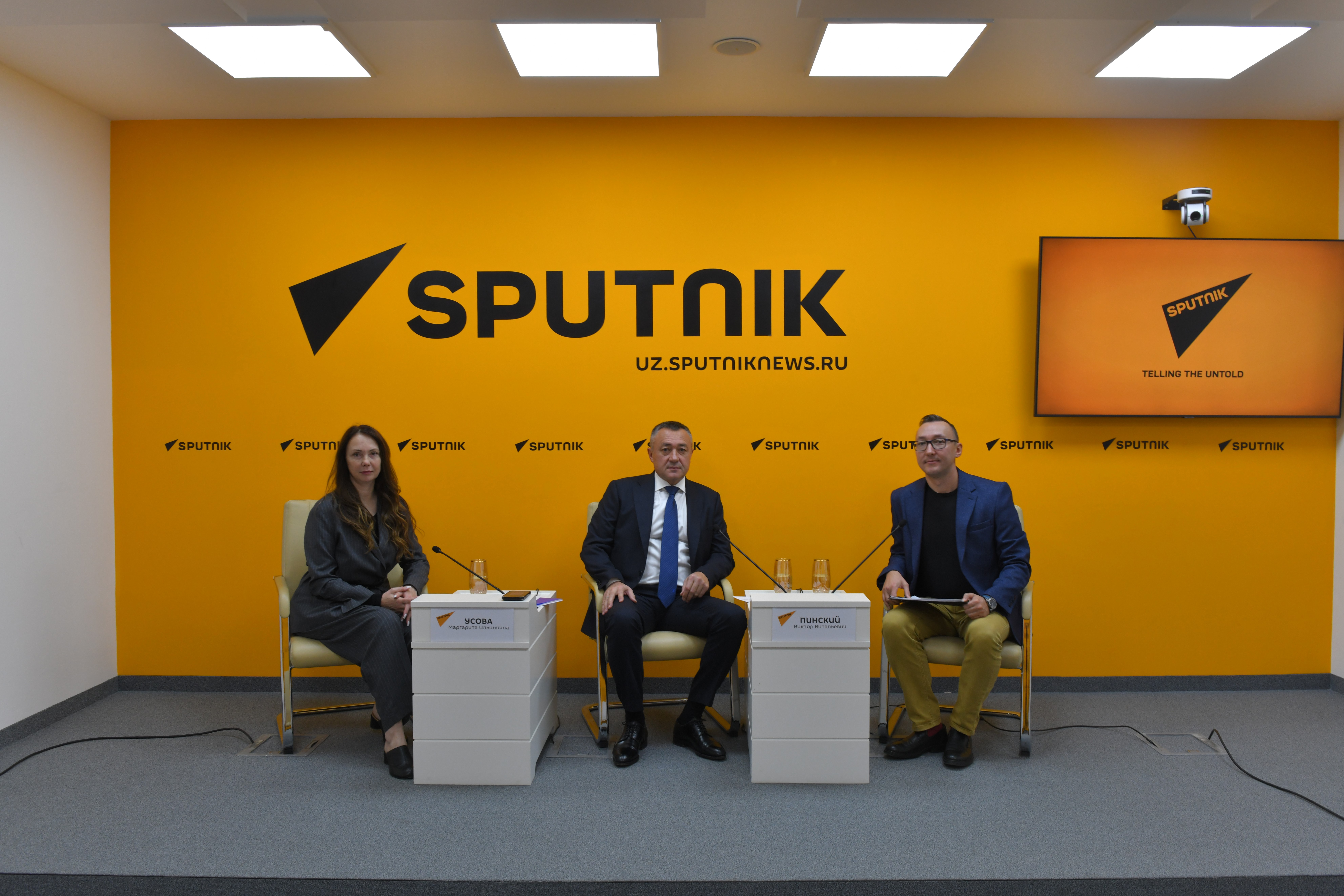
The formation of a common labour market in the Commonwealth of Independent States (CIS) is a strategic task for social partners: governments, trade unions, and businesses, believes Viktor Pinsky, Deputy of the State Duma and General Secretary of the General Confederation of Trade Unions. He stated this in an interview with the Sputnik Uzbekistan press center on November 10.
According to Pinsky, a common labour market implies unified rules and conditions for workers and employers fr om different countries, regulation of labour migration based on economic needs, fair and transparent interaction between labour relations participants, and common rules for the movement of workers between CIS states. The draft Comprehensive Program for the Creation of a Common Labour Market was approved at the 38th meeting of the CIS Advisory Council on Labor, Employment, and Social Protection of the Population, which took place in Tashkent in October.
"The introduction of information technologies and electronic services into migration processes is being documented in CIS countries. These tools improve and simplify migrant registration procedures, aid in the fight against corruption, and enhance security. All countries are interested in ensuring migration is legal. This includes countries whose citizens leave to work in other states," stated Viktor Pinsky.
As a successful example of training personnel for work abroad, Margarita Usova, Deputy General Secretary of the General Confederation of Trade Unions, cited the Center for Professional Skills in Tashkent, which was visited by participants of the 38th Advisory Council meeting in October.
"This is a good practice where workers are trained both in professional competencies and provided with necessary knowledge about the legislation, traditions, and cultural specifics of the countries they are going to. We were all raised in a common cultural space, but there are nuances one needs to know and consider. Such a comprehensive approach facilitates successful adaptation and protection of rights," believes Margarita Usova.
GCTU News
-
GCTU Discusses Amendments to Confederation’s Charter
On September 15, Moscow hosted a meeting of the Working Group on Preparing Amendments and Additions to the Charter of the General Confederation of Trade Unions (GCTU) at the Trade Unions Palace of Labor. Participants reviewed proposals from member organizations regarding necessary changes to the Confederation’s founding document.
-
Wage Standards in the CIS Must Reach a New Level
On September 10, the General Confederation of Trade Unions (GCTU) launched the development of a unified methodology for calculating the minimum consumer budget. The first meeting of the GCTU Executive Committee’s temporary working group on this initiative took place in Moscow.
-
A Unified Registry of Collective Agreements Should Be Established in the CIS
A unified registry of collective agreements in the Commonwealth of Independent States (CIS) will enable the regulation of labor relations at a cross-border level, according to the General Confederation of Trade Unions. The proposal by GCTU to include the creation of such a registry in the draft Plan of Activities for the Year of Social Development and Quality of Life in the CIS was approved by participants of the working group of the Advisory Council on Labor, Employment, and Social Protection of the Population of the CIS Member States. The working group meeting took place today at the CIS Executive Committee in Minsk, using video conferencing.