
Protection for Taxi Drivers, Couriers, and Freelancers: The General Confederation of Trade Unions Supports the Adoption of the CIS Model Law "On Platform Employment"
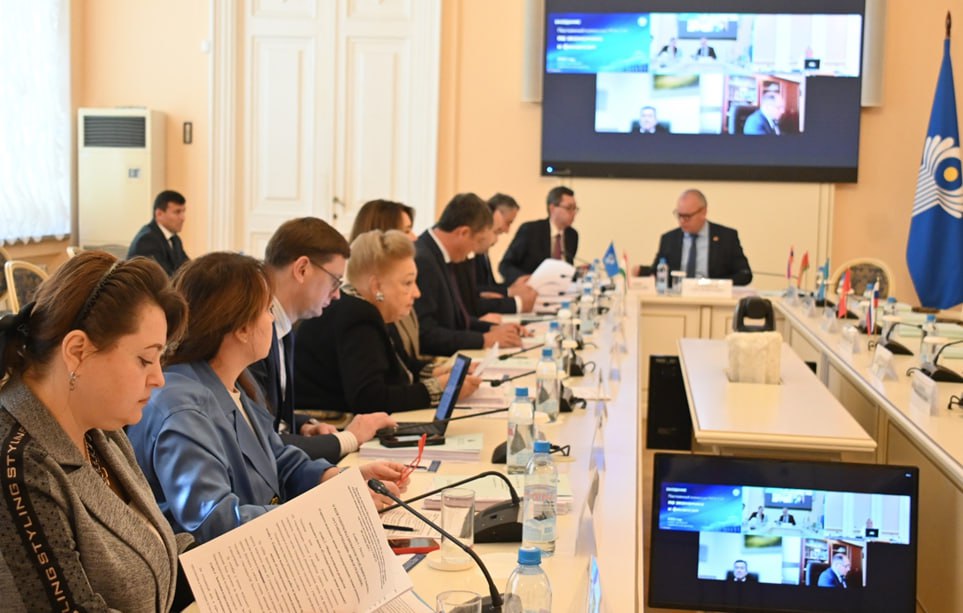
Andrey Yepishin, Deputy Chairman of the Federation Council Committee on Budget and Financial Markets, emphasized that the law "On Platform Employment" is strategically important for the development of CIS economies. It provides protection for all participants in platform employment: workers, service customers, and digital platform operators. The implementation of the law will serve to improve the imbalances, employment efficiency, and create new job opportunities for citizens. Alfiya Kogogina, First Deputy Chairman of the State Duma Committee on Small and Medium-Sized Businesses, have made a speech on the Russian law "On Certain Issues of the Platform Economy," ongoing work to improve it, and the possibility of joint efforts on documents regulating the activities of digital platforms.
The General Confederation of Trade Unions supports the adoption of the model law. As noted by Deputy General Secretary of the GCTU Natalia Podshibyakina, this is a comprehensive document reflecting the main provisions for regulating platform employment, incorporating and balancing numerous comments and suggestions. At the same time, Podshibyakina drew attention to the inadvisability of broader inclusion in this draft law of provisions related to the organization of platform work as a new business model. Issues of state regulation of the platform economy should be within the scope of legislative regulation and are the subject of another law: on platforms and the platform economy.
"Many studies show that among all platform workers, there are those who are economically dependent on platforms, whose activities and incomes are largely tied to the use of digital platforms. It is these workers who are in urgent need of protection. This draft law includes measures for the social protection of workers in the context of various legal and economic statuses of performers and different types of platforms. It is especially important that the law includes an article on the inadmissibility of abusing the platform employment mechanism and concealing actual labor relations. The signs of labor relations are also provided in accordance with the recommendations of the International Labour Organization," Podshibyakina emphasized.
The Commission also presented information on the interim results of the development of the draft model law "On Cross-Border Insolvency and Bankruptcy." The developers agreed with the GCTU's proposal to reflect in the document issues of protecting workers' claims for wage payments, taking into account the conventions of the International Labour Organization.
GCTU News
-
GCTU Discusses Amendments to Confederation’s Charter
On September 15, Moscow hosted a meeting of the Working Group on Preparing Amendments and Additions to the Charter of the General Confederation of Trade Unions (GCTU) at the Trade Unions Palace of Labor. Participants reviewed proposals from member organizations regarding necessary changes to the Confederation’s founding document.
-
Wage Standards in the CIS Must Reach a New Level
On September 10, the General Confederation of Trade Unions (GCTU) launched the development of a unified methodology for calculating the minimum consumer budget. The first meeting of the GCTU Executive Committee’s temporary working group on this initiative took place in Moscow.
-
A Unified Registry of Collective Agreements Should Be Established in the CIS
A unified registry of collective agreements in the Commonwealth of Independent States (CIS) will enable the regulation of labor relations at a cross-border level, according to the General Confederation of Trade Unions. The proposal by GCTU to include the creation of such a registry in the draft Plan of Activities for the Year of Social Development and Quality of Life in the CIS was approved by participants of the working group of the Advisory Council on Labor, Employment, and Social Protection of the Population of the CIS Member States. The working group meeting took place today at the CIS Executive Committee in Minsk, using video conferencing.